
Pelagic Habitat
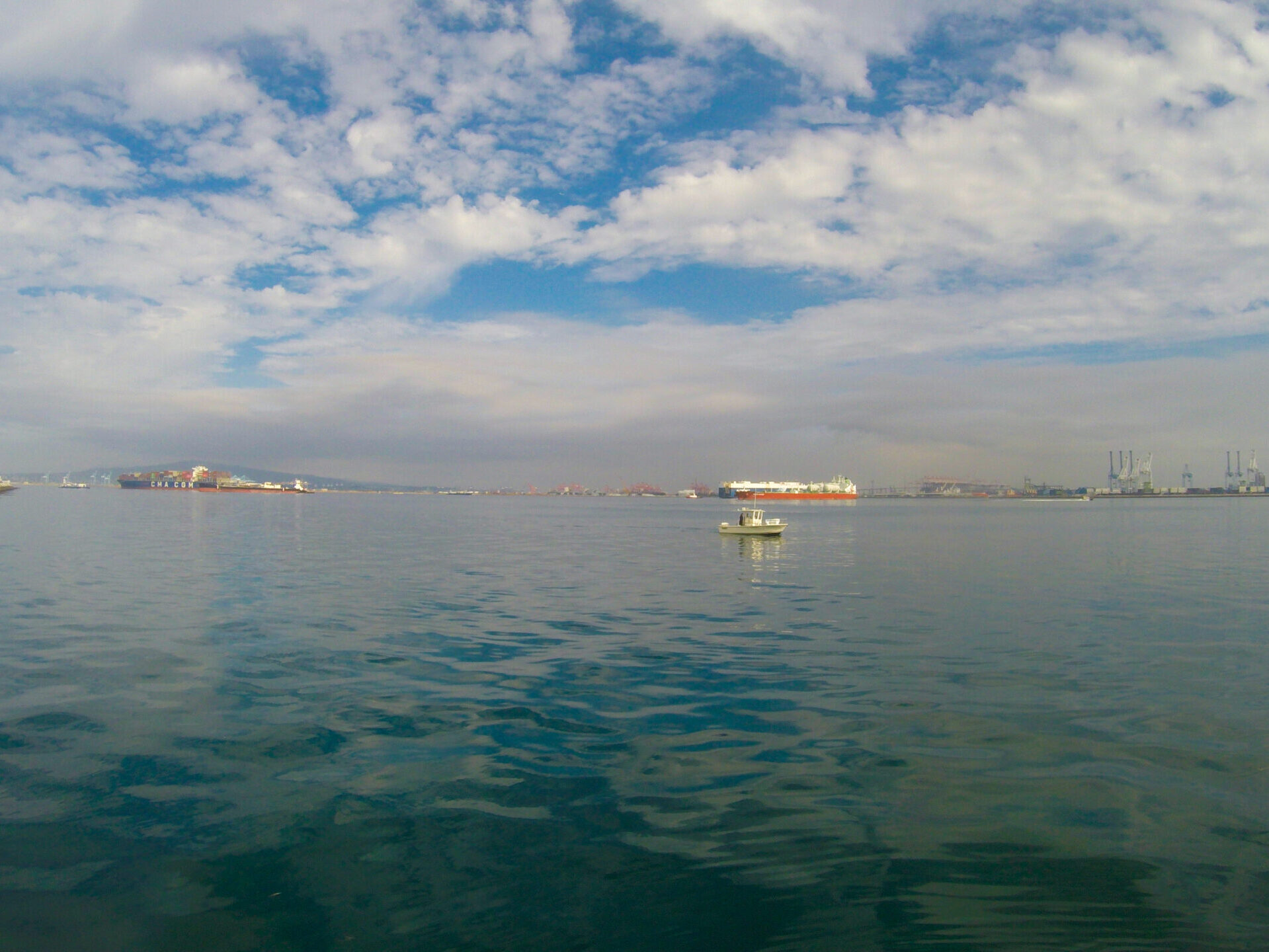
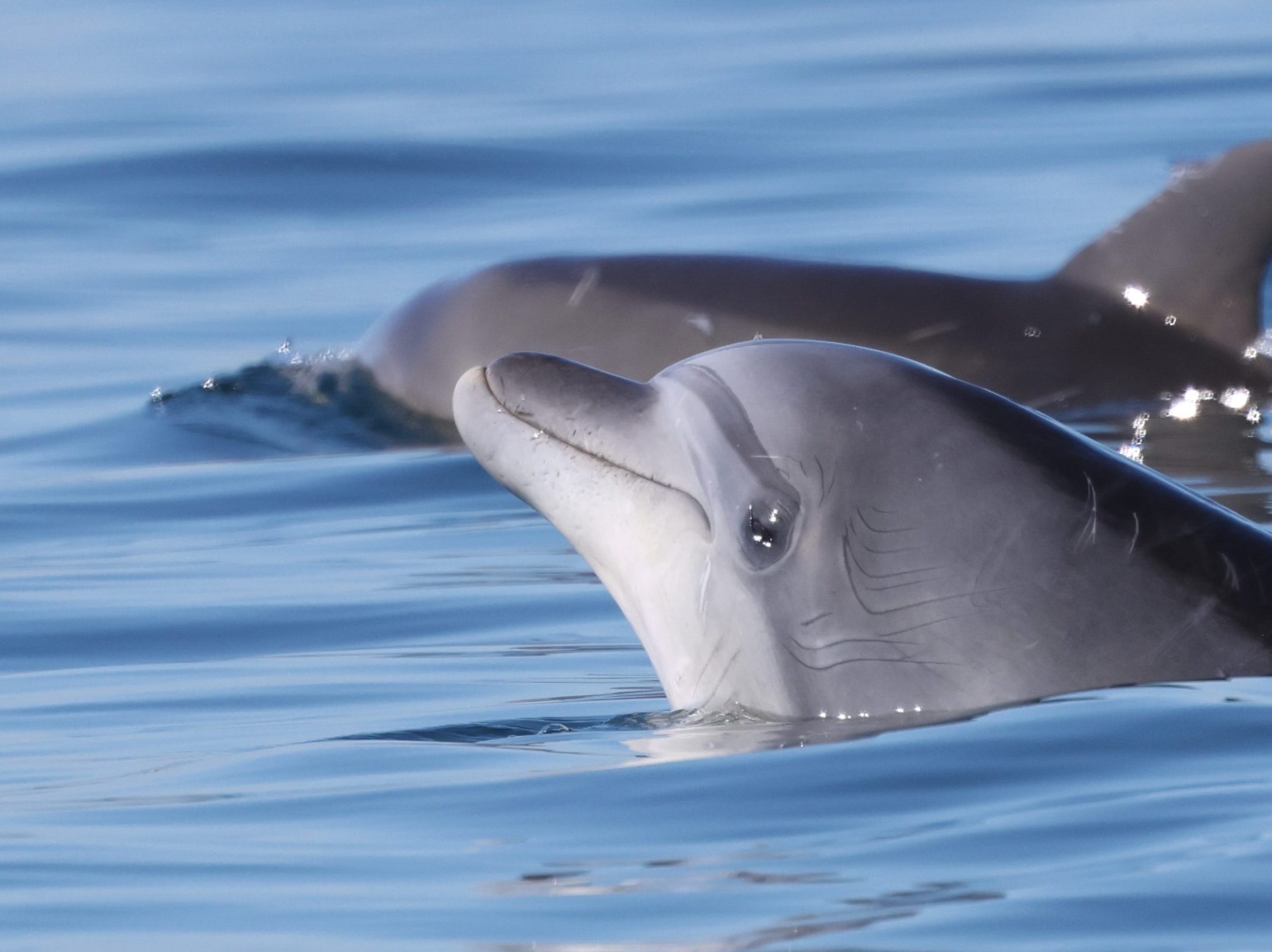
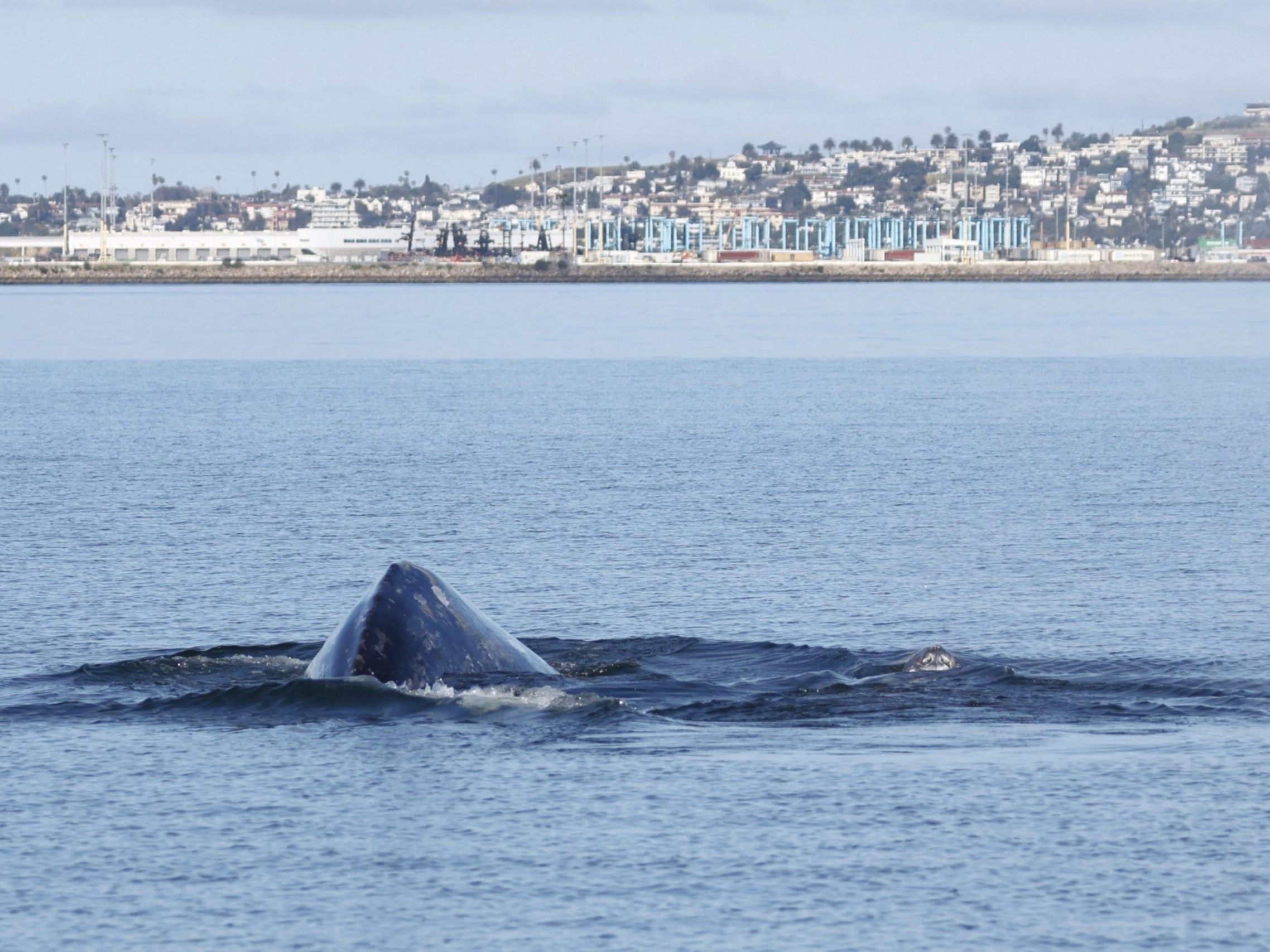
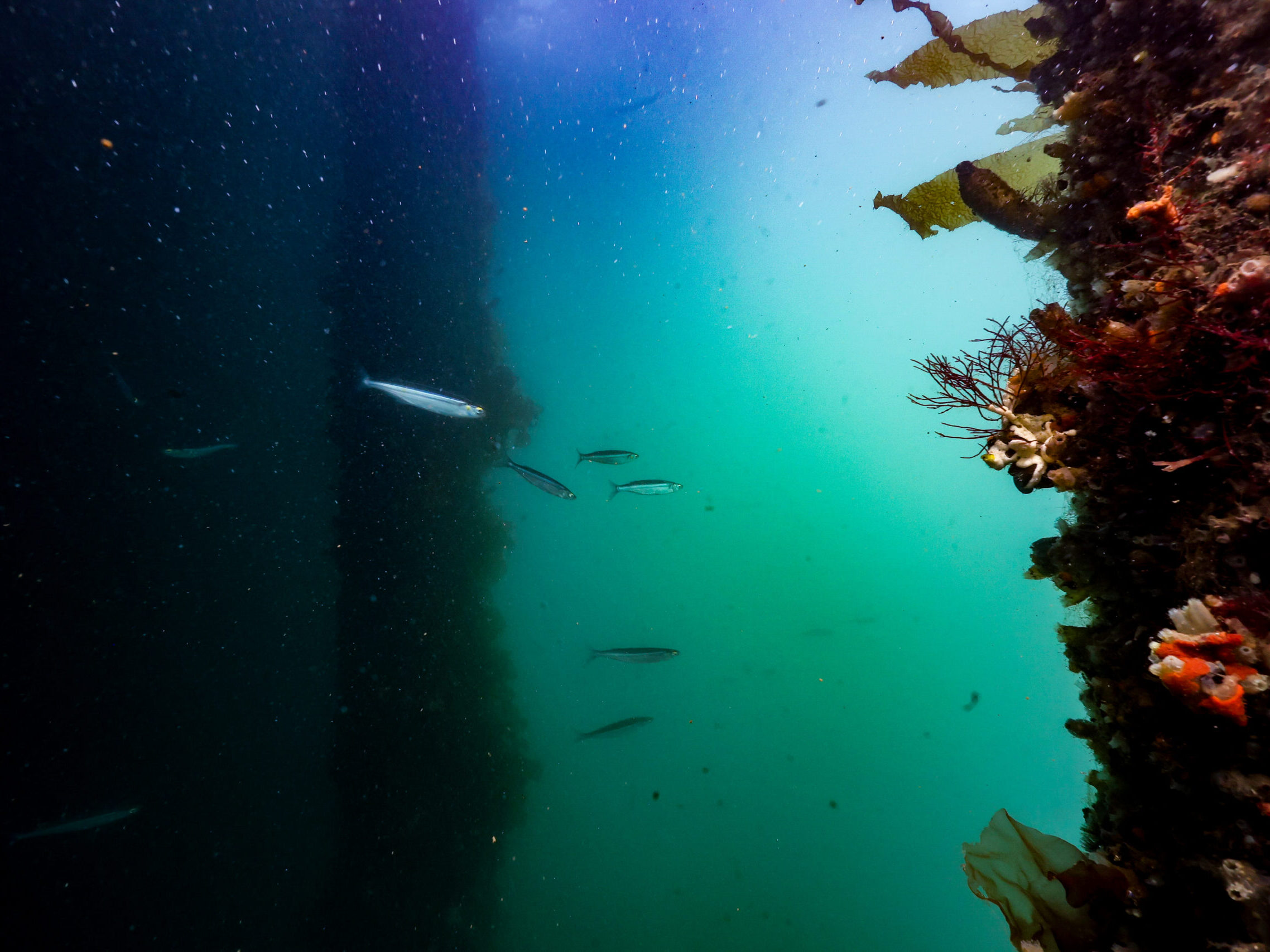
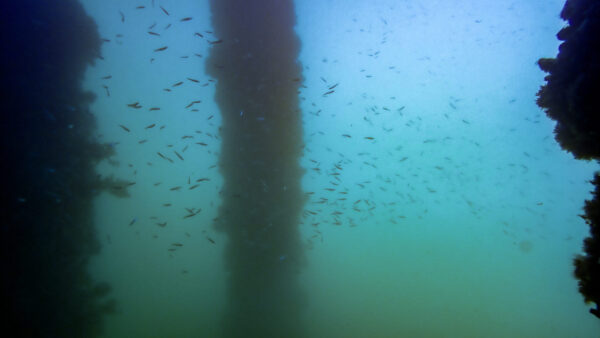
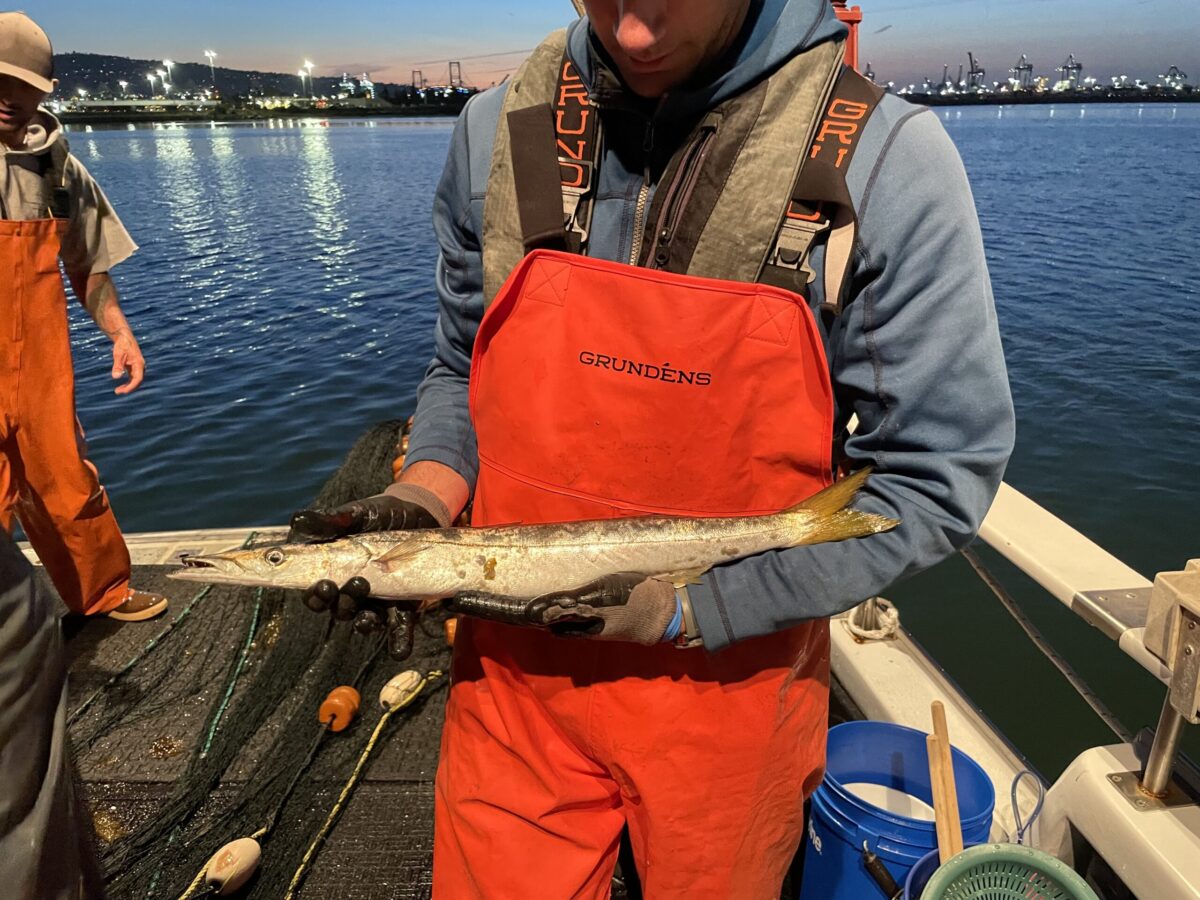
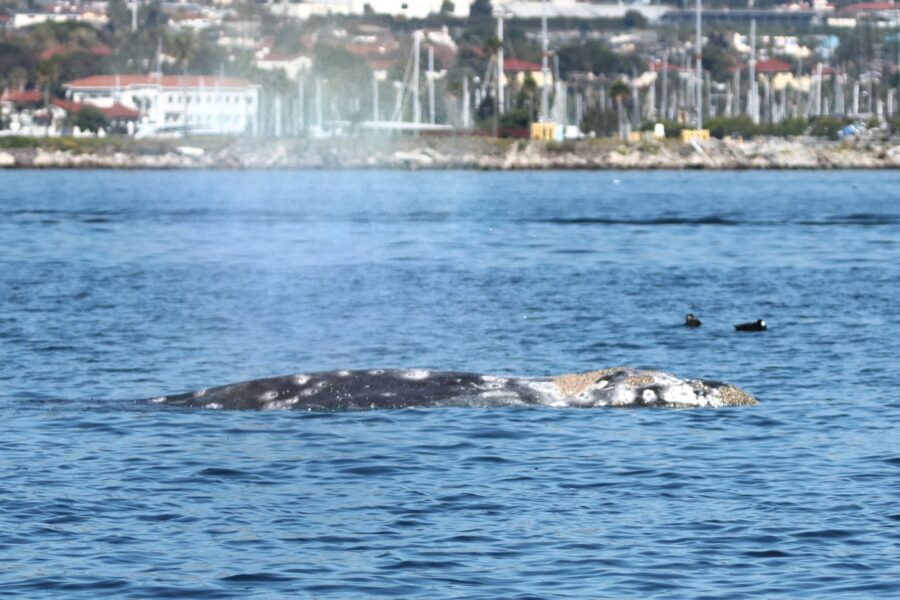
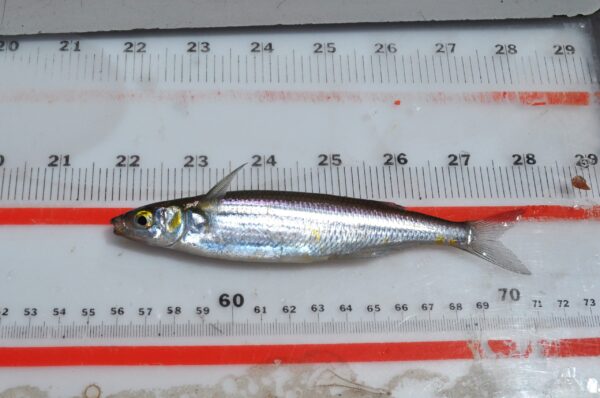
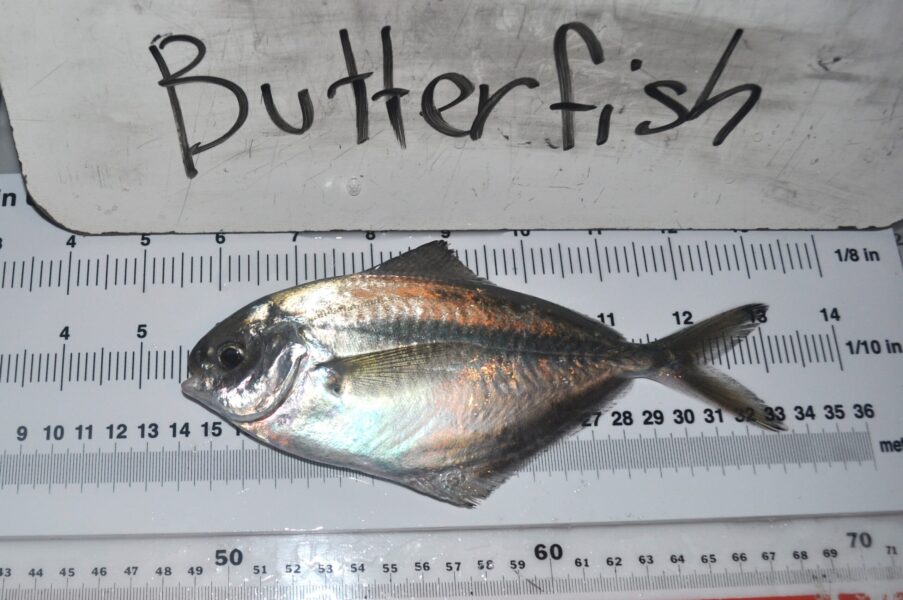
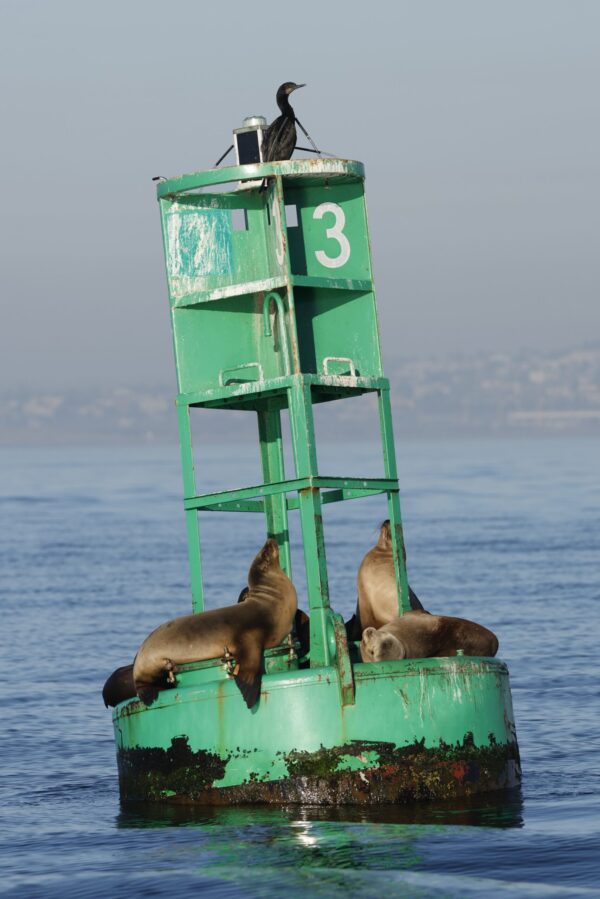
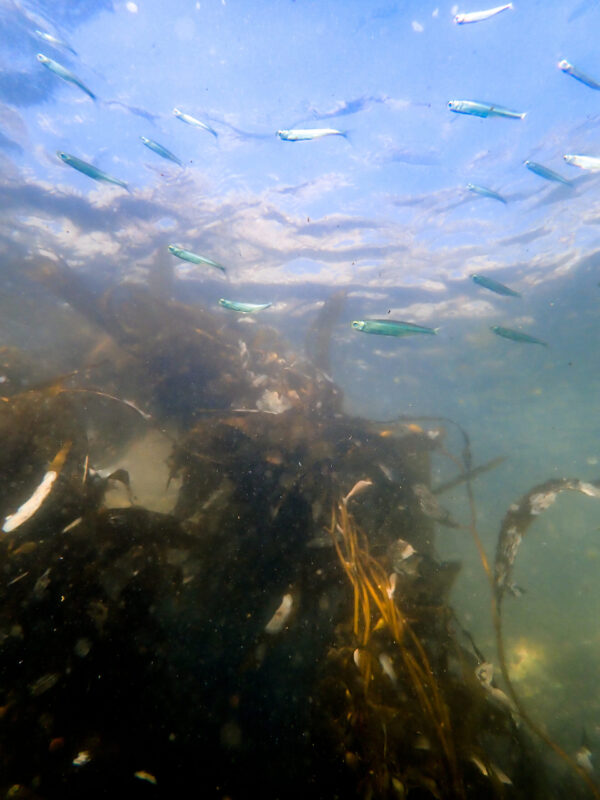
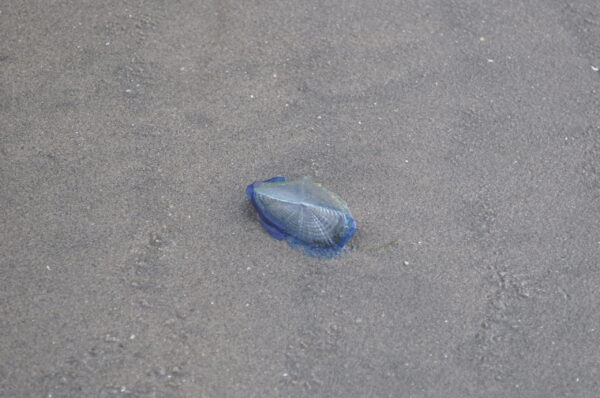
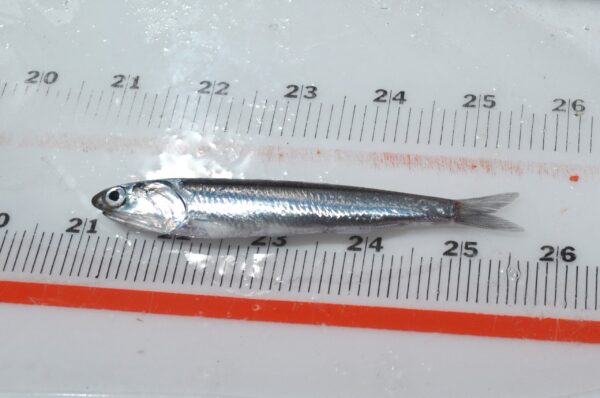
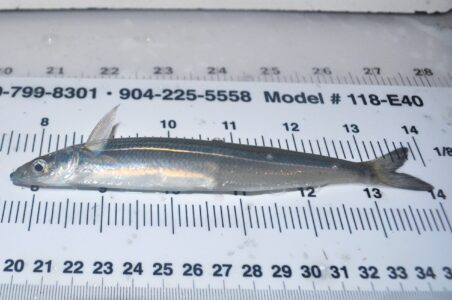
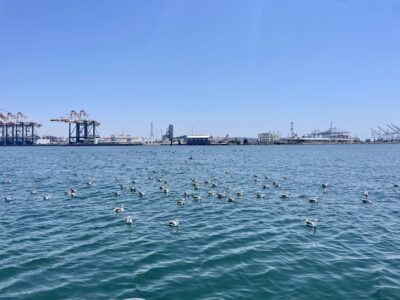
The ‘Pelagic Zone’ refers to the water that is not near the shoreline and stretches from the surface to the seafloor. It is the largest habitat type in the harbor. Animals like plankton (tiny floating plants and animals) and fishes living in the pelagic zone move up and down in the water column to find food and avoid predation. They are camouflaged for their life in the open water because this zone is important foraging habitat for larger predators such as barracuda, mackerel, dolphins, sea lions, harbor seals, and fish-eating birds such as terns, pelicans, and cormorants. Predators can effectively hunt throughout the pelagic zone because prey is more exposed than in dimensionally complex habitats (eelgrass, riprap, pilings, etc.) that offer protection. These predators have an important ecosystem function in managing the populations of species below them in the food chain. Many of the animals and algae (like giant kelp) found in the harbor spend part of their life cycle in the pelagic zone as members of the plankton before settling onto rocks, pilings, or the seafloor to take on their adult form.
Test your knowledge of planktonic juvenile animals and algae by playing our game!
Photos near text (top to bottom): Bottlenose dolphins in the outer harbor; Gray whale in the outer harbor; Open water in the outer harbor; Topsmelt schooling under pier in the inner harbor.
Pelagic Habitat Photos
Scroll through the gallery and select the thumbnails below to view photos from the pelagic habitat!