
Riprap Habitat
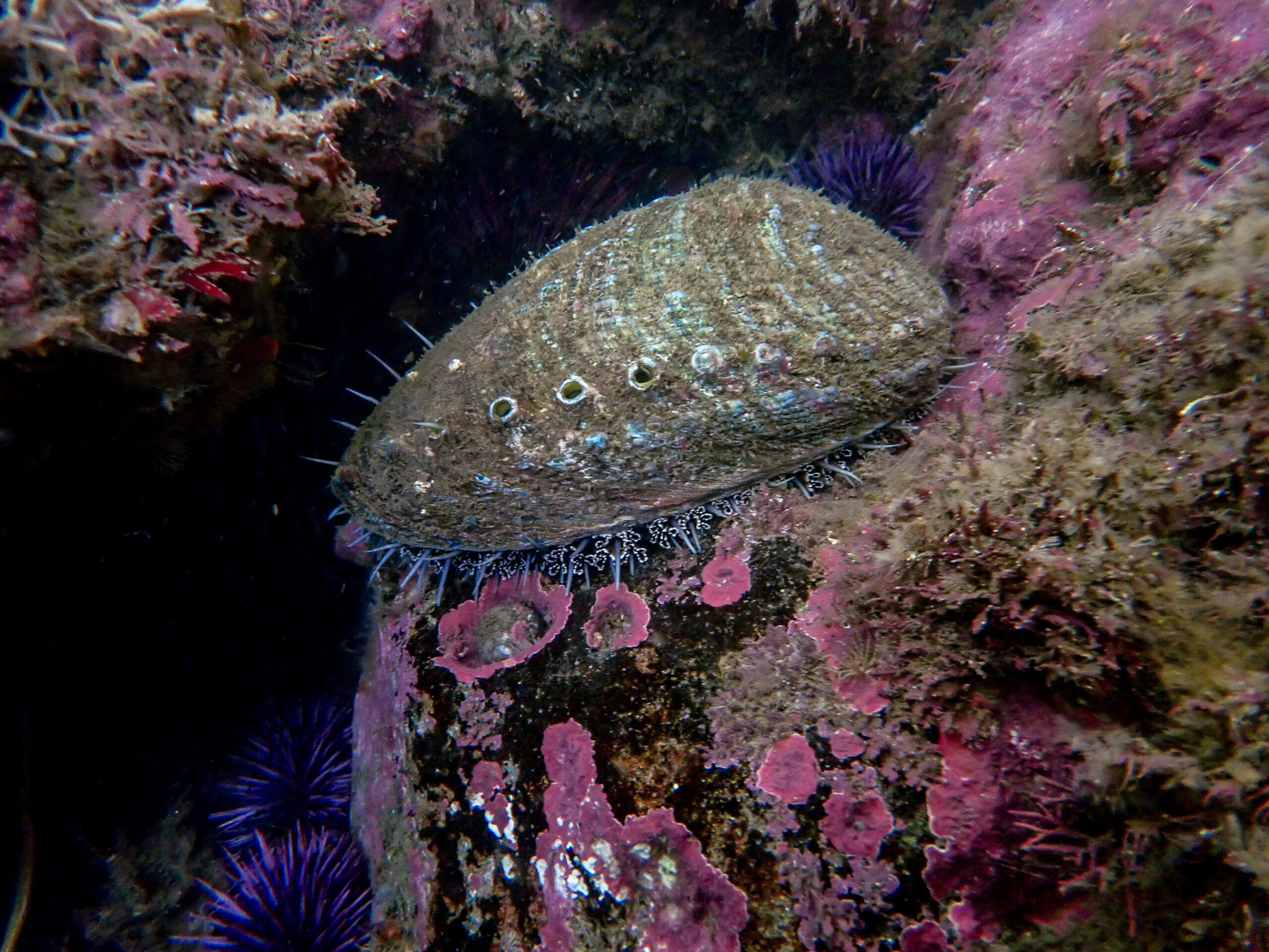
Most of the shoreline and the breakwaters of the Port Complex consists of rock dikes known as riprap, which represents nearly 50 miles of rocky shoreline that protect the harbors from waves. Outer harbor riprap areas have distinct biological communities, usually more similar to those observed at nearshore rocky reef habitats, compared to inner harbor areas that have more sediment accumulating on the rocks and can in some places support the growth of eelgrass beds. The “microhabitats” within riprap habitats such as caves, crevices, rock faces, rock-to-sand transitions, and kelp canopy promote high diversity of fish and invertebrates in these areas.
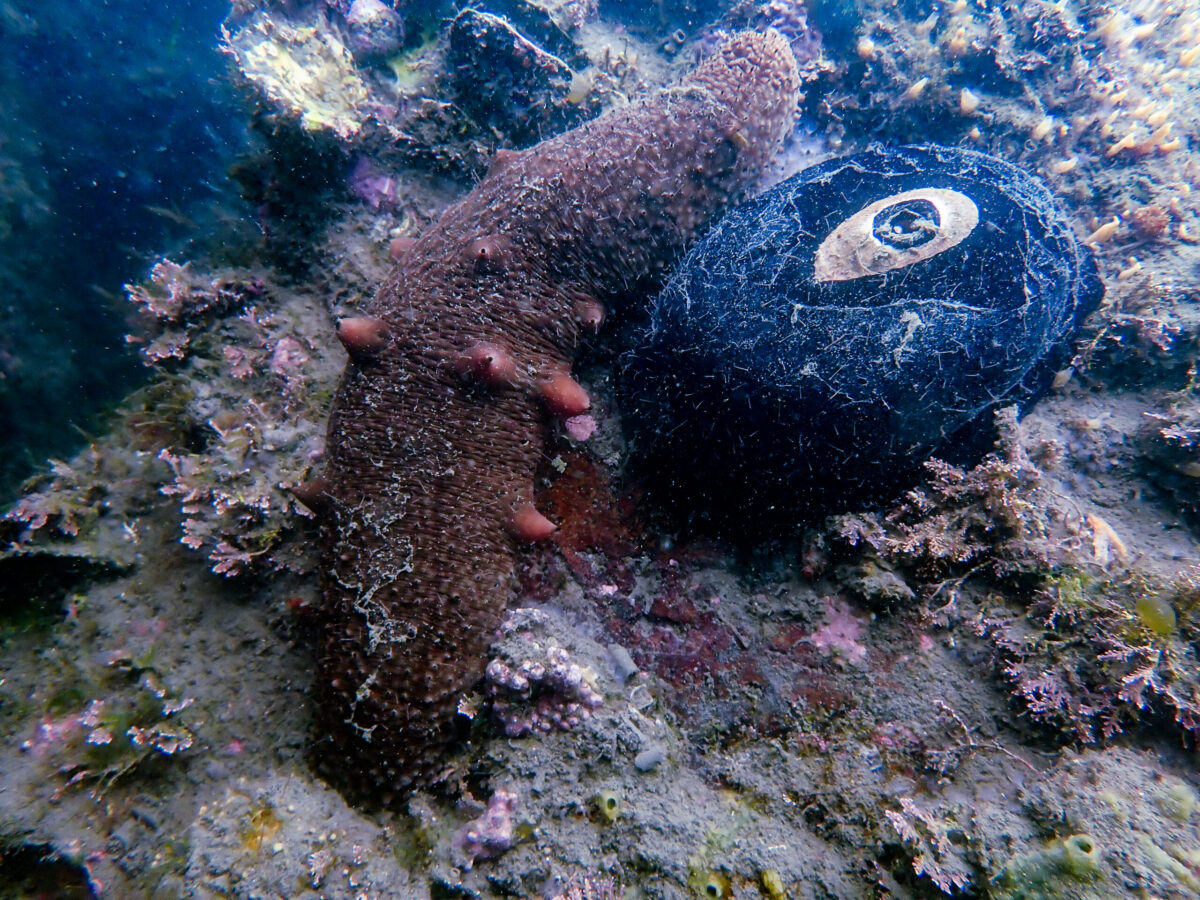
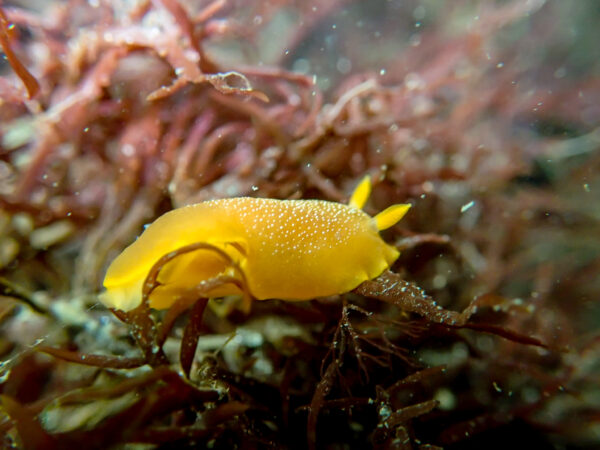
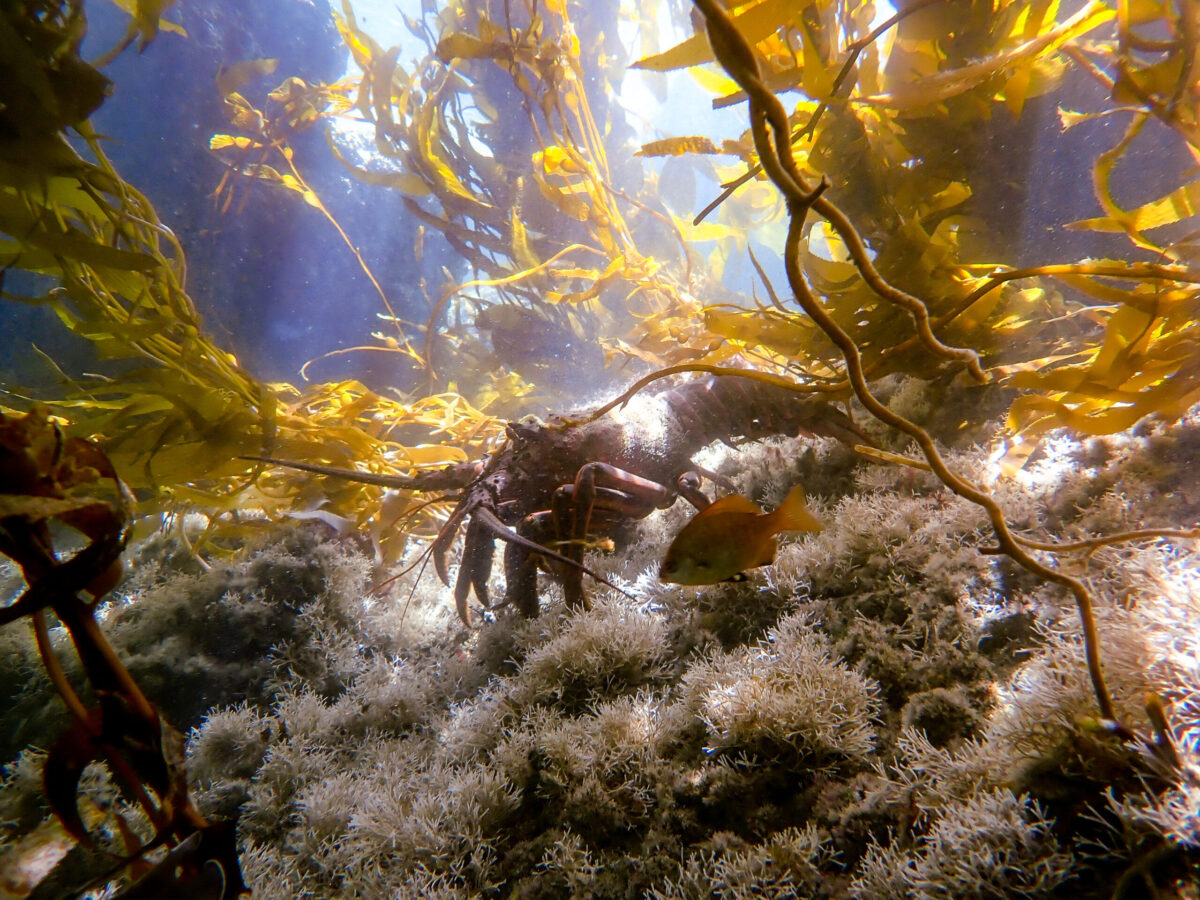
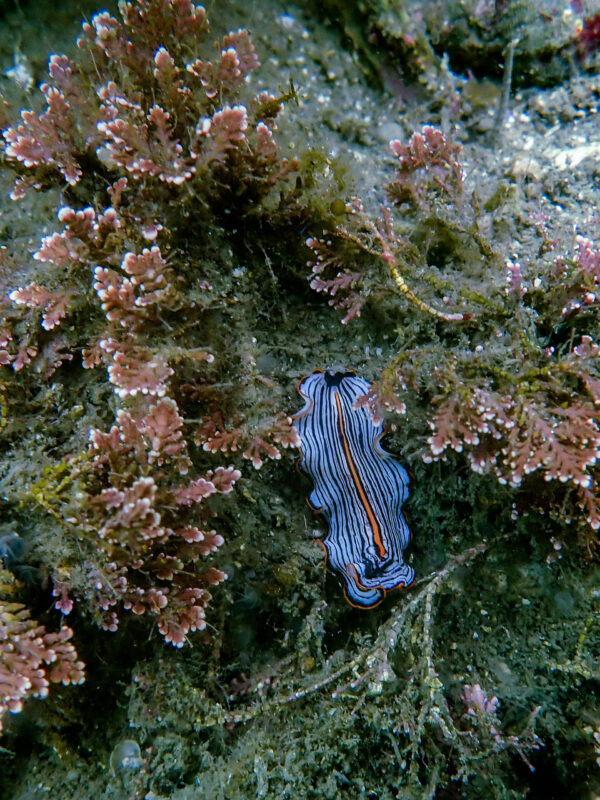
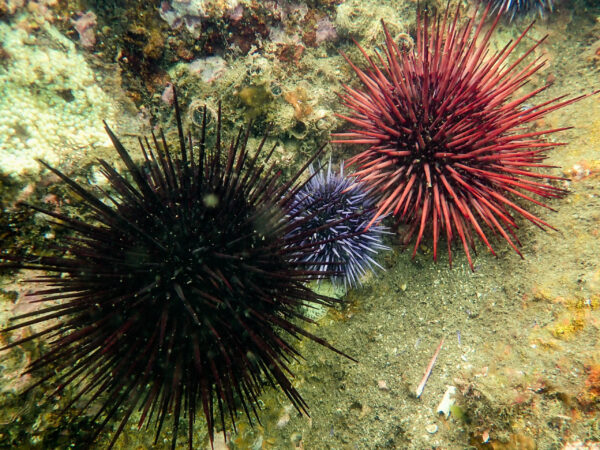
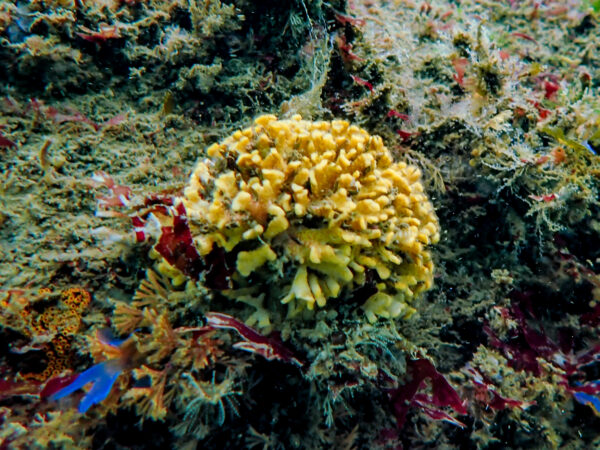
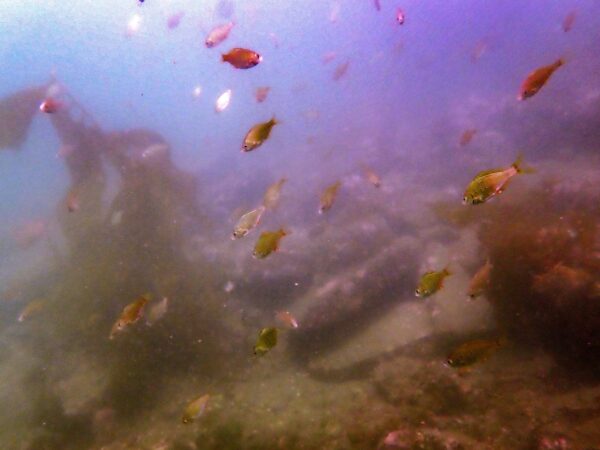
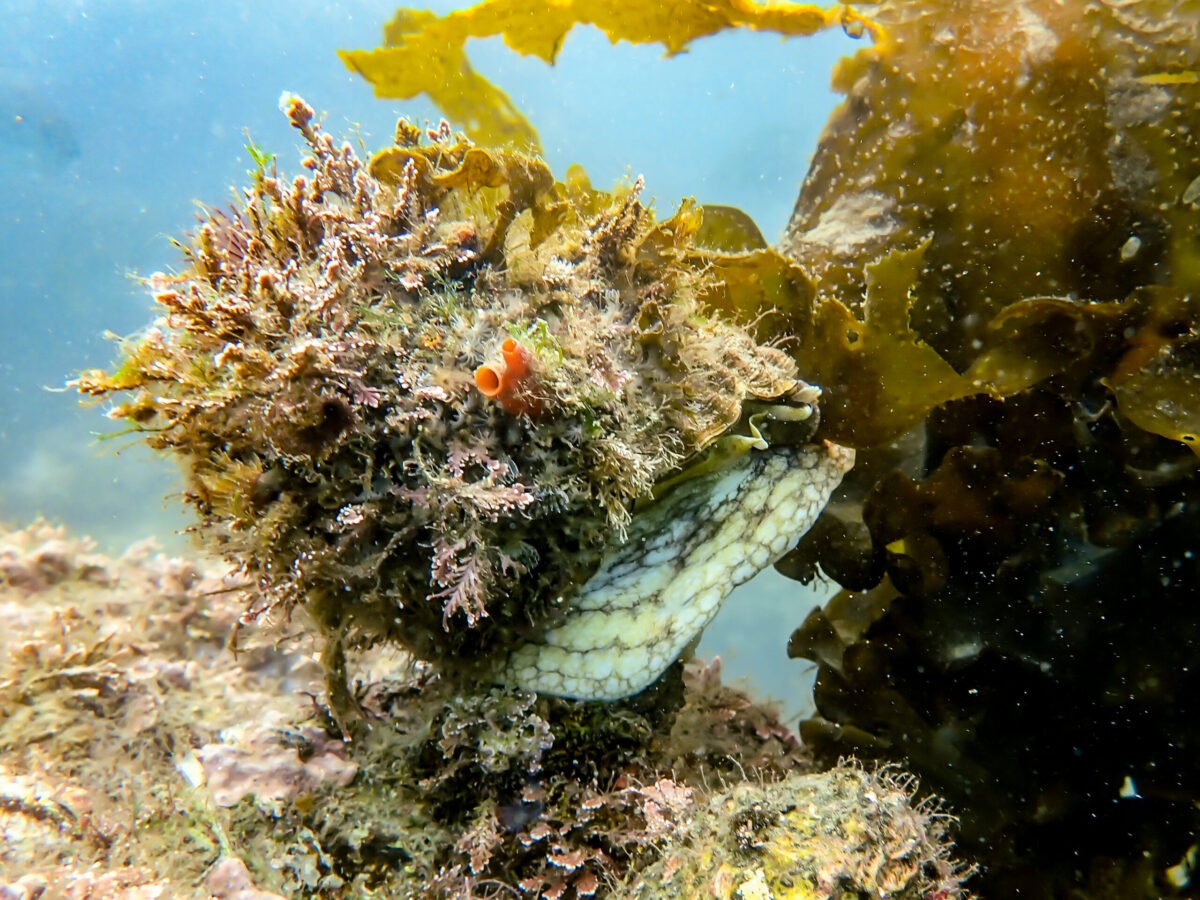
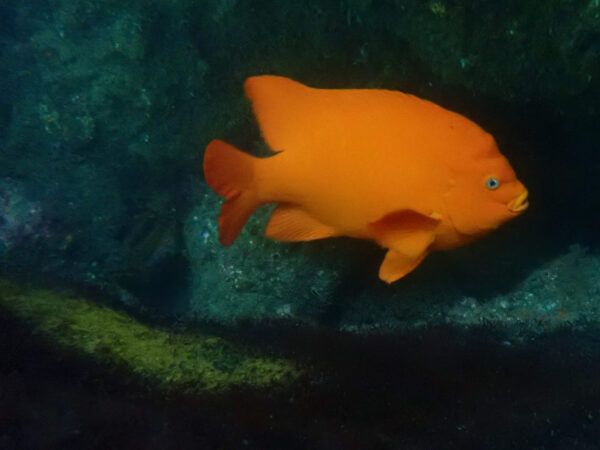
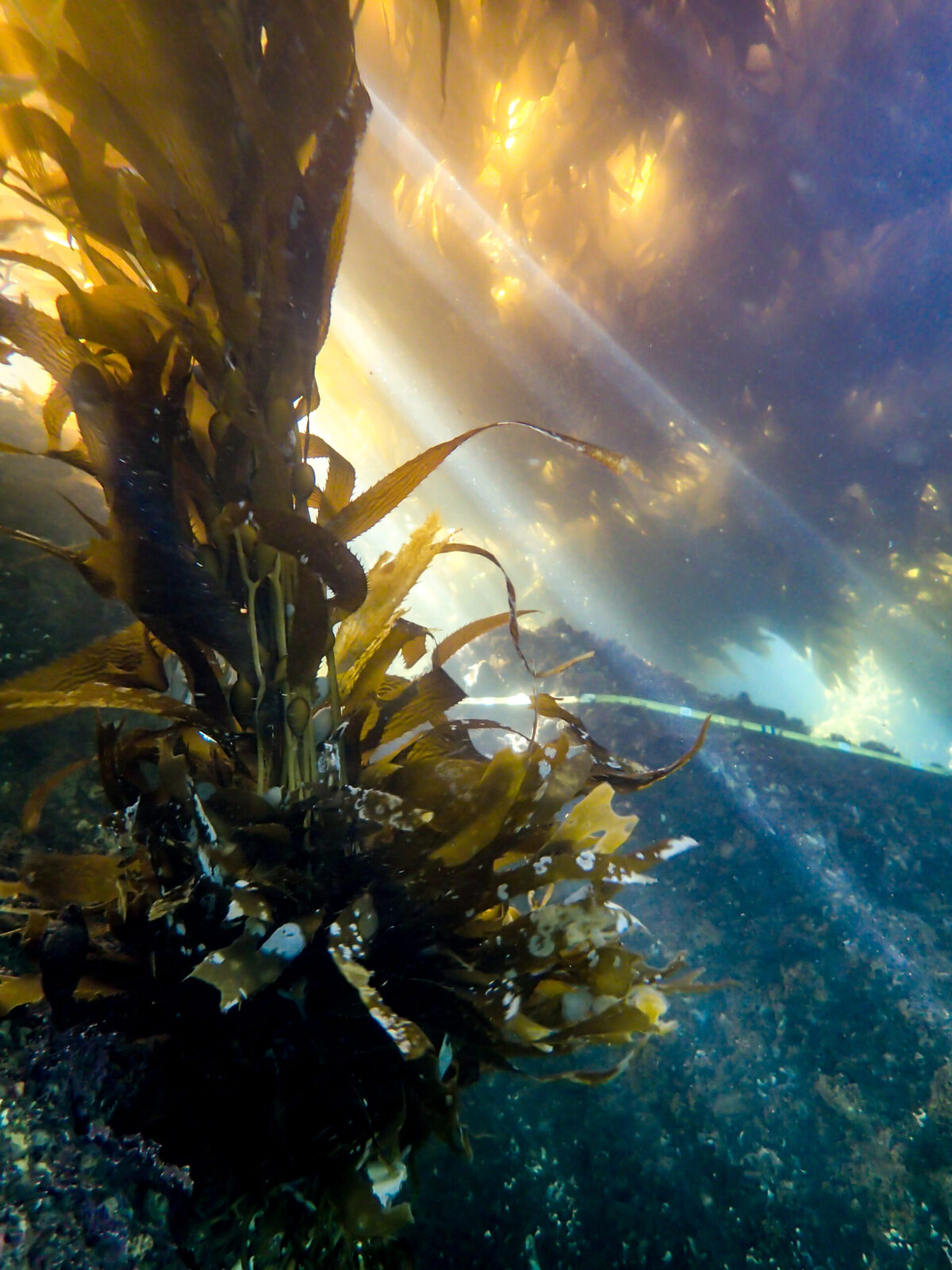
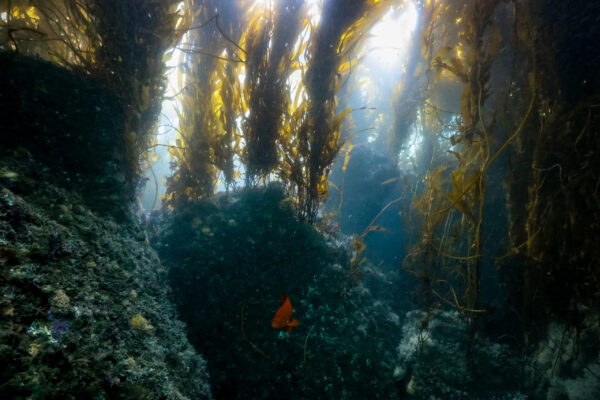
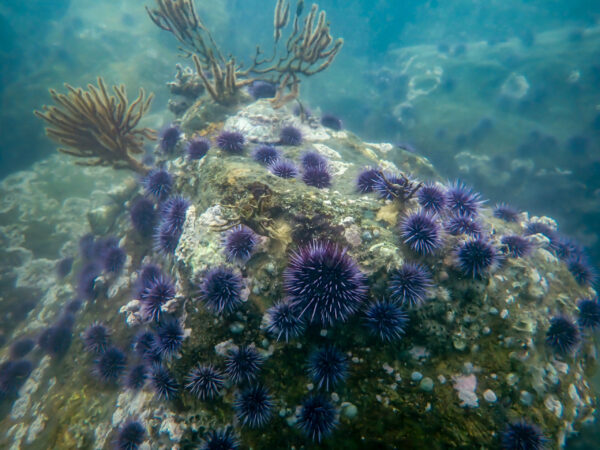
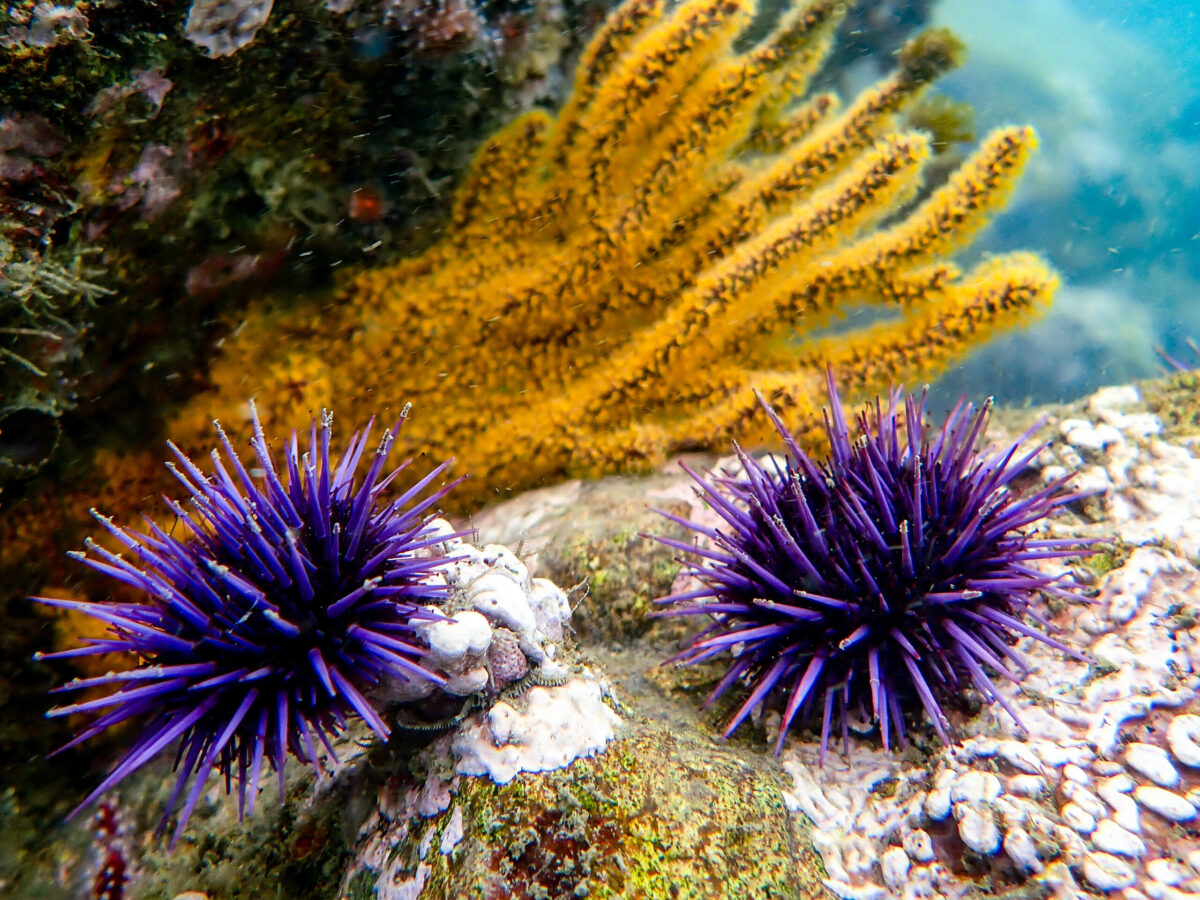
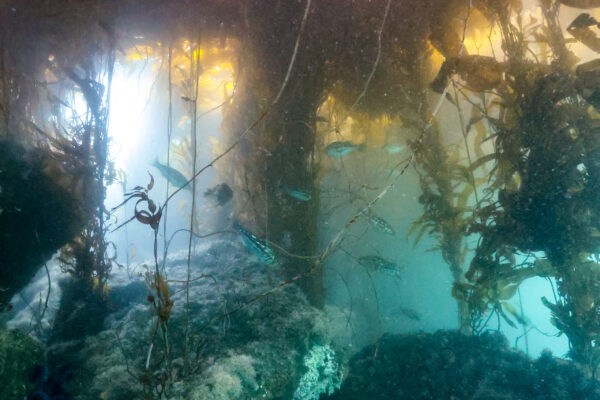
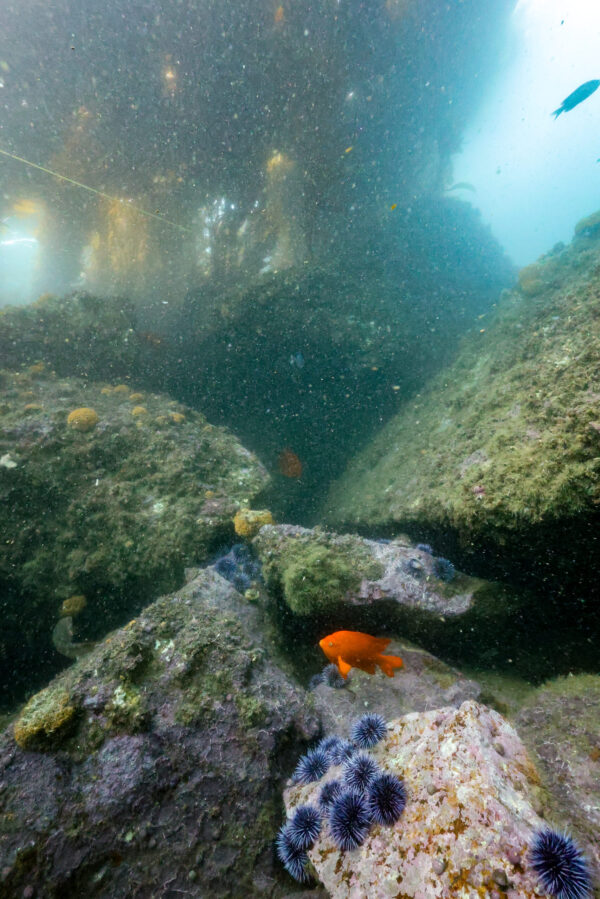
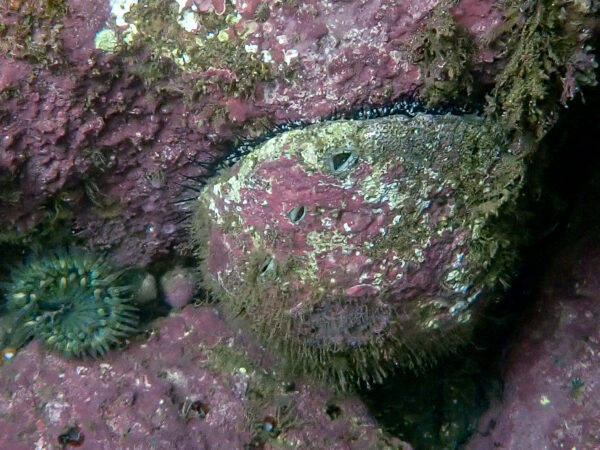
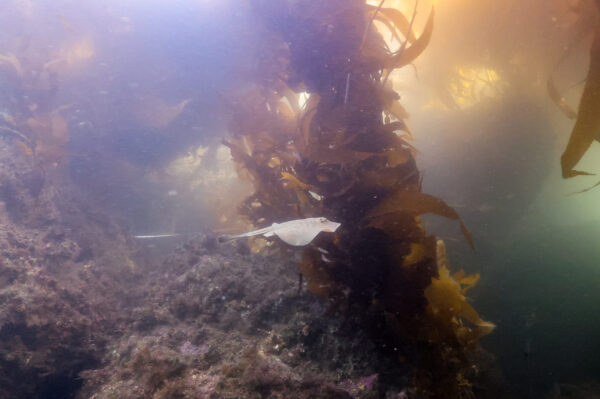
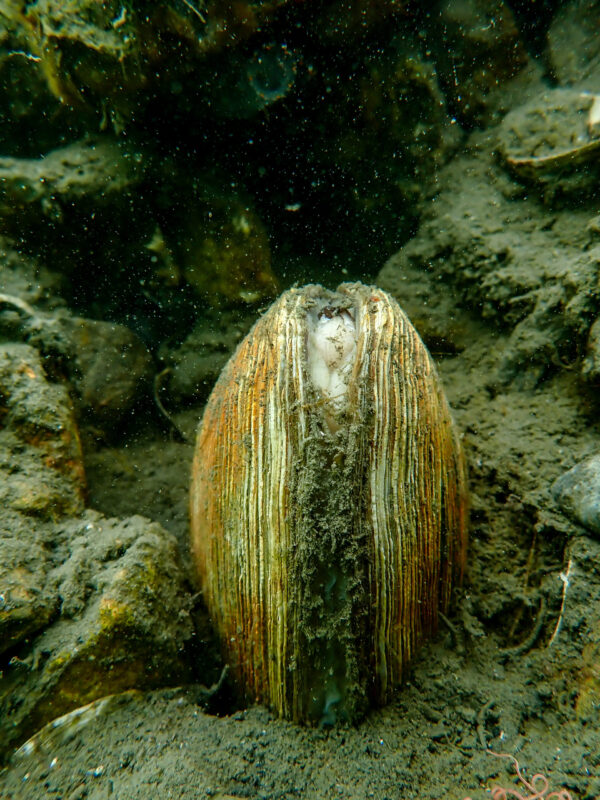
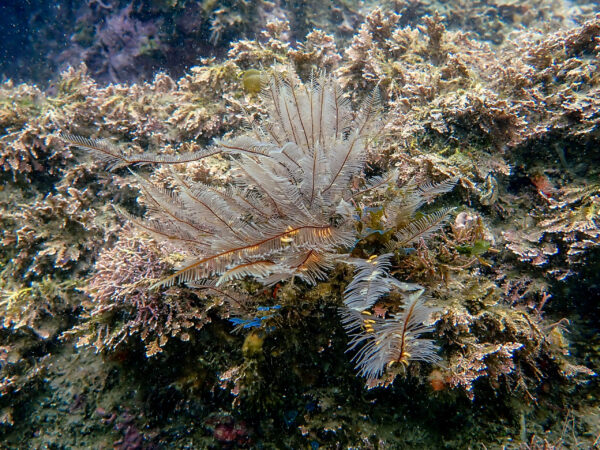
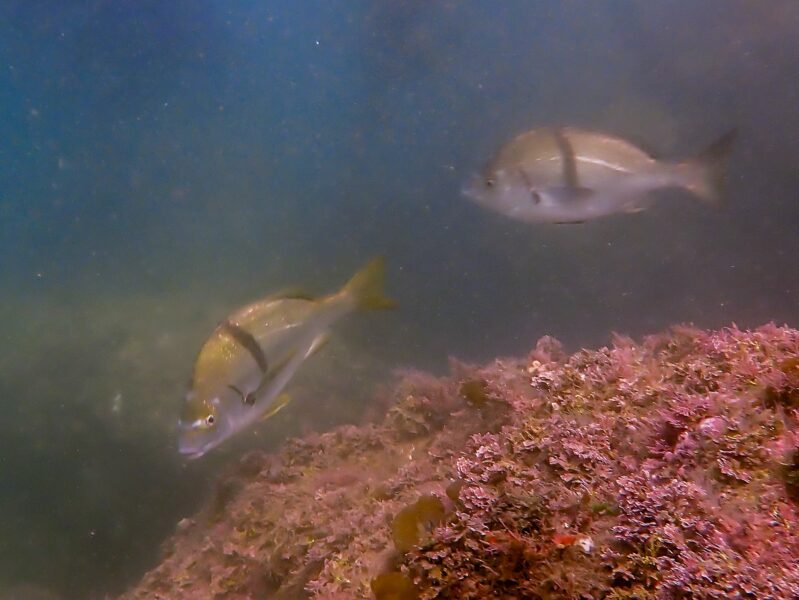
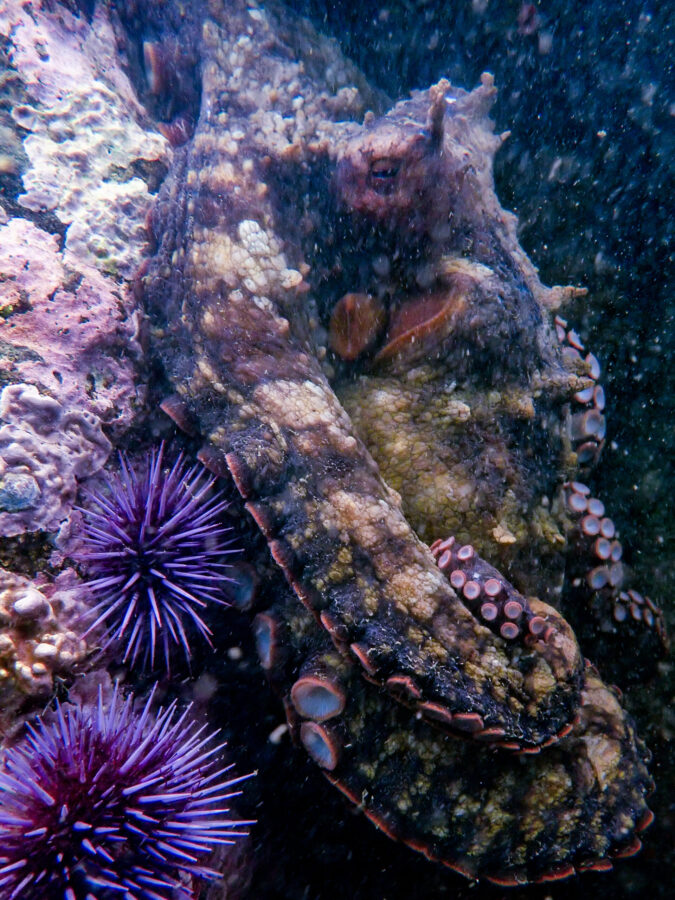
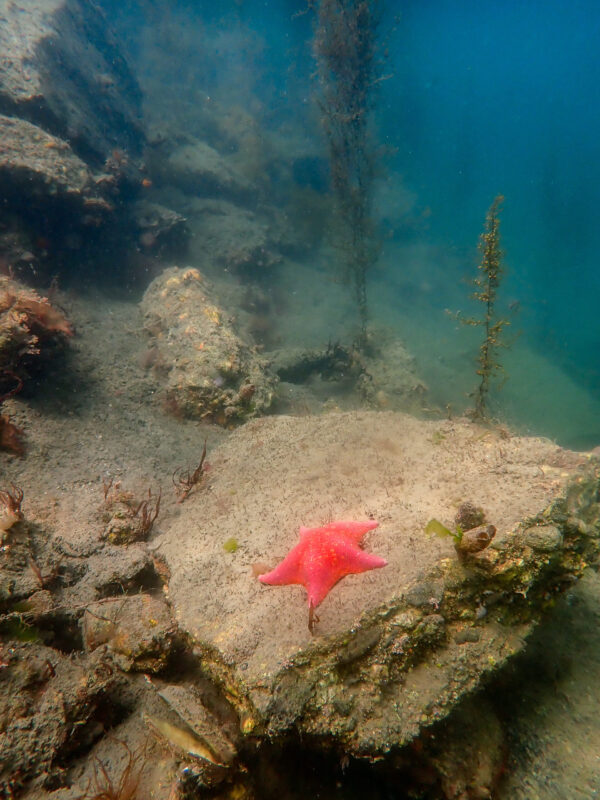
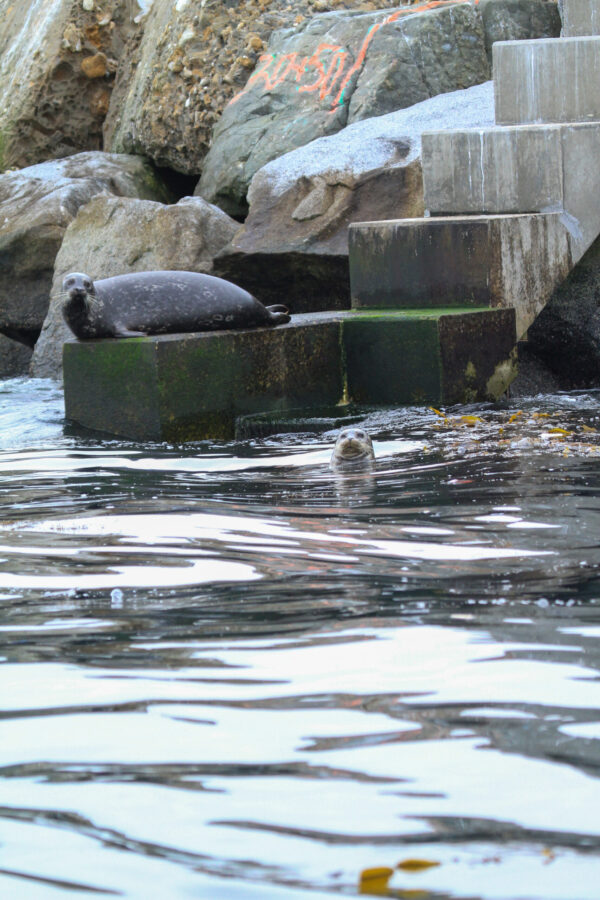
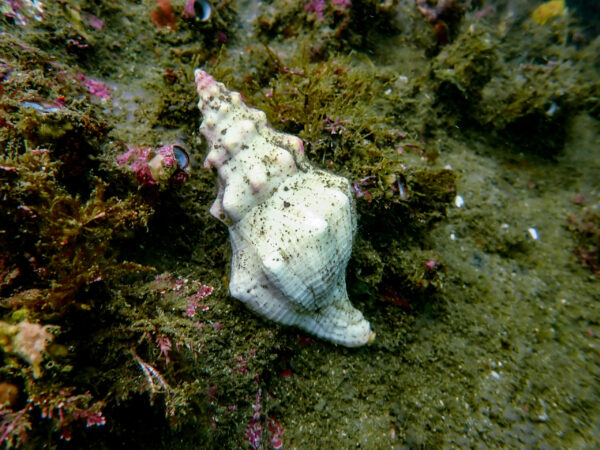
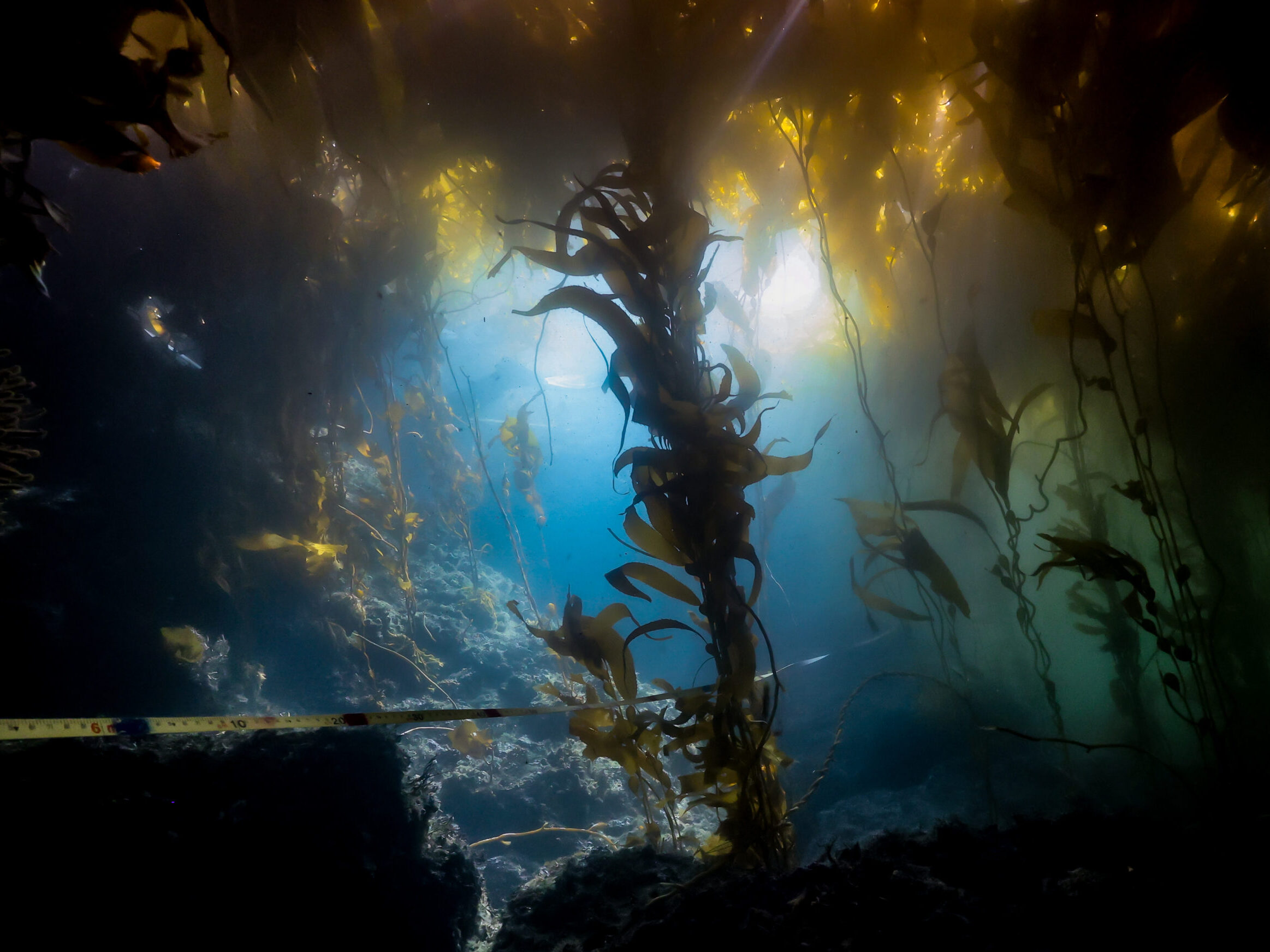
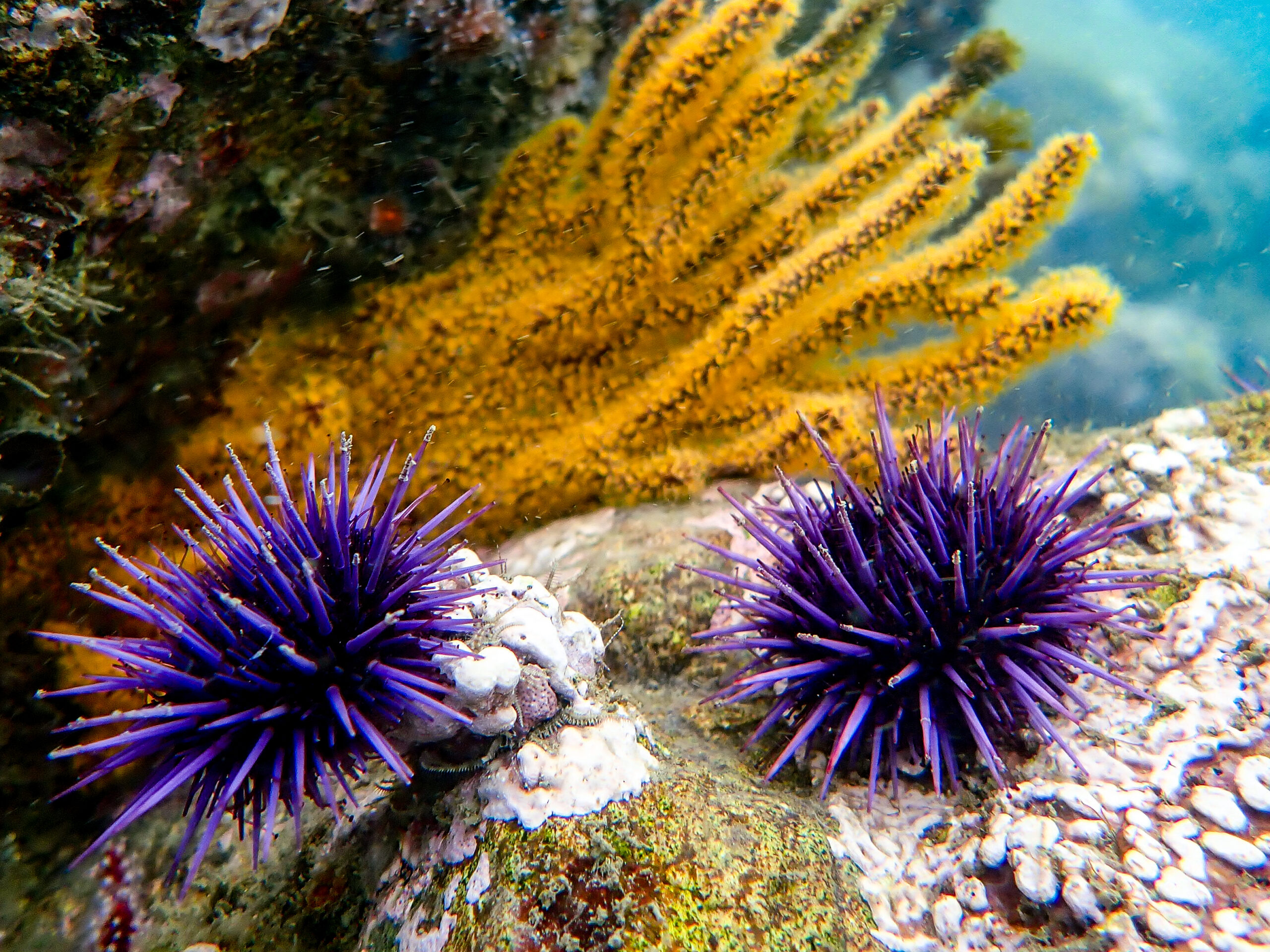
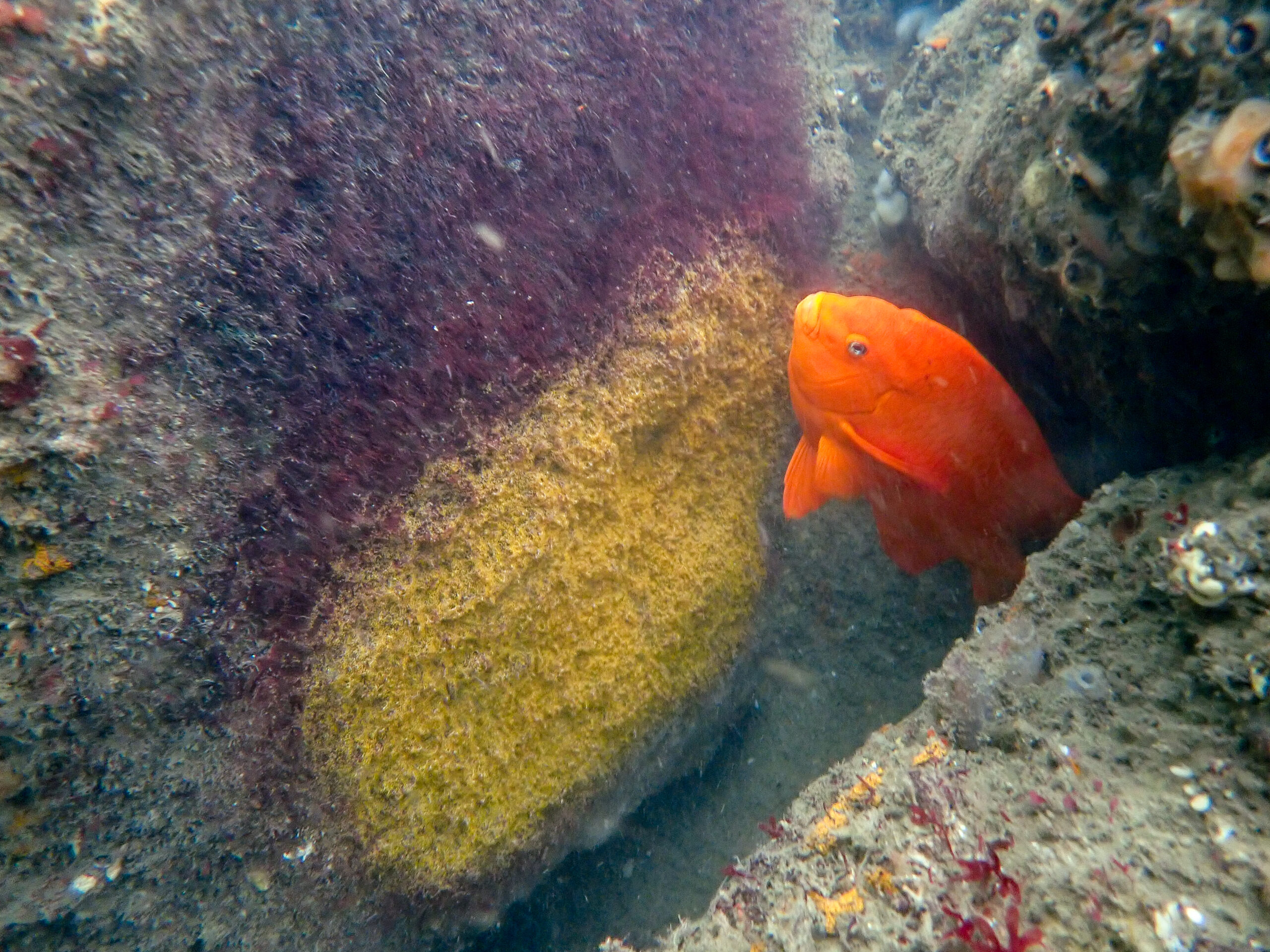
Photos near text (top to bottom): Gorgonian with purple urchins; Garibaldi with nest; Kelp canopy on Cabrillo Breakwater; Green abalone.
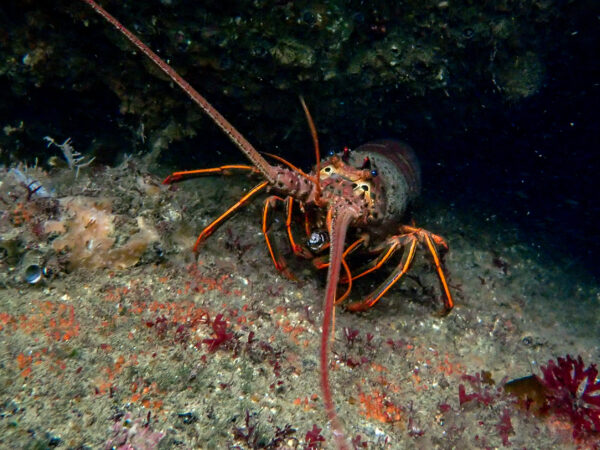
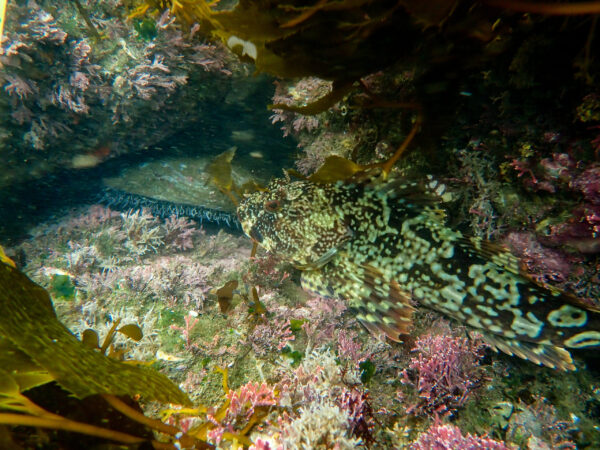
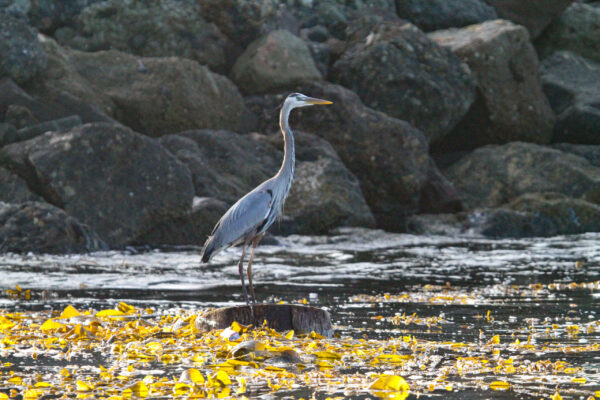
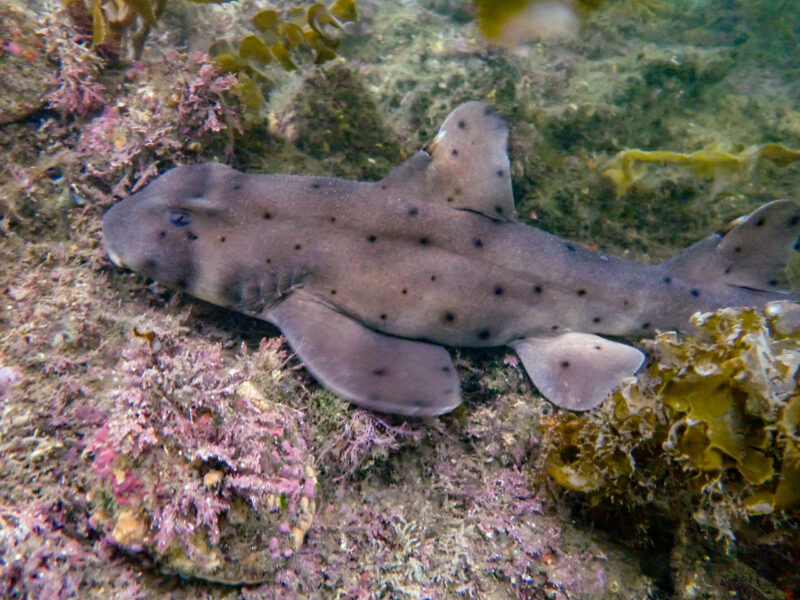
The riprap in the outer harbor supports kelp forest habitat, one of the most diverse habitats in the harbor, with over 43 acres of kelp forest mapped in the summer of 2023. Kelp forests are considered one of the most productive habitats on earth and so their presence in Los Angeles Harbor is a valuable contribution to the overall productivity of the harbor. The large riprap boulders in these areas promote the attachment of giant kelp, soft corals (gorgonians), and scallops. The riprap also creates large crevices and caves that provide refuge from predators for invertebrates like urchins, abalone, and lobsters as well as fish such as garibaldi, surfperch, and horn sharks. Giant kelp creates vertical habitat, similar to trees in a forest, forming a canopy on the water’s surface. The kelp forest provides extensive habitat for fishes like kelp bass, blacksmith, and rockfish while also creating a valuable feeding ground for birds and marine mammals.
Test your knowledge of microhabitats by playing our game!
Riprap Habitat Photos
Scroll through the gallery and select the thumbnails below to view photos from the riprap habitat!